
Stargazing Near Bailey, Colorado: A Practical Planning Guide
Quick takeaways:
- Bailey sits far enough from Denver's glow to offer noticeably darker skies, especially away from Highway 285's lit stretches.
- The best viewing windows are on clear, moonless nights, ideally a few days before or after a new moon.
- Higher, open spots like mountain passes tend to outperform valley floors for horizon-to-horizon visibility.
- Cold nights, wildlife awareness, and a simple gear list make the difference between a frustrating outing and a memorable one.
Stargazing near Bailey rewards a little planning more than expensive equipment. The mountains here don't just look different at night—they behave differently, with temperature swings, shifting cloud cover, and terrain that can block or open up your view of the sky depending on where you stand. This guide walks through the practical decisions: when to go, where to go, what to expect, and how to stay comfortable and safe once you're out there.
Why the Skies Near Bailey Are Worth the Trip
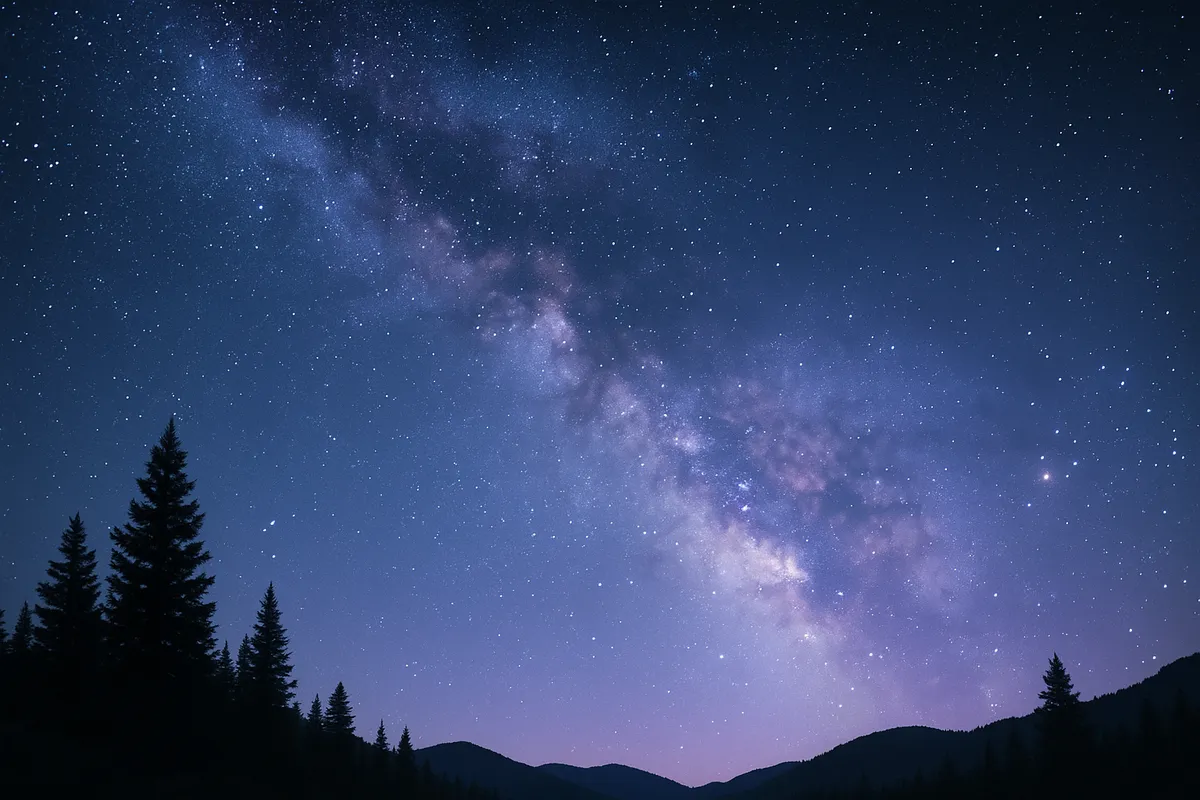
Bailey's elevation and distance from the dense light pollution of the Front Range corridor give it a real advantage over most Denver-metro viewing spots. Once you're off the brighter sections of Highway 285 and away from any nearby porch lights or gas station signage, the sky opens up considerably. On a clear night, it's common to see the Milky Way's band with the naked eye, along with a noticeably higher star count than you'd get in the city.
Understanding Light Pollution Ratings
Astronomers use the Bortle scale to rate sky darkness from 1 (pristine) to 9 (inner-city). Much of the Bailey area falls into a moderately dark range, meaning it's not as pristine as a remote wilderness site, but it's a substantial step up from anywhere inside the Denver metro area. Elevation gain, tree cover, and your distance from any local light sources all shift this in your favor or against it, so a short drive to a more open, higher spot can noticeably improve what you see.
Best Times to Stargaze Near Bailey
Timing matters more than most people expect. Two factors do the heavy lifting: moon phase and weather.
Moon Phases and Planning
A bright moon washes out fainter stars and the Milky Way's detail, even on an otherwise clear night. For the deepest views, aim for the three or four nights surrounding a new moon. If you're mainly interested in bright planets, constellations, or a casual look at the stars rather than deep-sky detail, a partial moon won't ruin the experience—it just changes what's visible.
Seasonal Considerations
Summer nights are the most comfortable temperature-wise but come with shorter darkness windows and a higher chance of afternoon thunderstorms lingering into evening. Fall often delivers some of the clearest, driest air of the year, paired with cooler but manageable nighttime temperatures. Winter can produce exceptionally crisp, transparent skies, but cold is a serious factor—dress for temperatures well below what you'd expect, and check road conditions before heading anywhere with elevation gain or a winding route.
Where to Go for a Clear View
Not every spot in the area is equally good for stargazing. Look for locations with an open horizon, minimal direct light sources, and safe, legal parking after dark.
Kenosha Pass
Kenosha Pass is a popular option thanks to its elevation and wide-open meadow areas that offer a broad view of the sky in multiple directions. It's well known for daytime scenery, but the same openness that makes it great for fall colors also makes it a strong nighttime viewing spot. If you're timing a visit, our guide on when to visit Kenosha Pass covers seasonal access and conditions worth checking before you commit to an evening drive up.
Other Open, Low-Light Areas
Beyond named landmarks, any open meadow, ridge, or pullout well away from residential lighting can work. The key is avoiding tree canopy that blocks large portions of the sky and steering clear of any direct light sources, including vehicle headlights from a nearby road. If you're already camping in the area, many established sites near Bailey offer reasonably dark conditions once fires are out and neighboring lights are down for the night—our local campground guide can help you scout a basecamp with easy after-dark access.
Safety and Logistics for Night Outings
Stargazing at elevation after dark comes with a few practical concerns worth planning around.
Wildlife Awareness
Bailey and the surrounding forest are active wildlife habitat, and dusk through early morning are peak activity hours for many species. Before heading out for an evening or predawn session, it's worth reviewing our guide on bears in the Bailey area for sensible precautions like securing food, staying alert, and knowing what to do if you encounter wildlife on a dark trail.
Temperature and Terrain
Even in summer, mountain nights cool quickly once the sun sets, and elevation amplifies the drop. Bring more layers than you think you'll need, and choose a spot you can reach and leave safely in the dark—uneven terrain that's easy in daylight can be a hazard once the sun is down. A headlamp with a red-light mode preserves your night vision far better than a phone flashlight.
What to Bring
- Warm layers, including a hat and gloves even in warmer months
- A red-light headlamp or flashlight to preserve night vision
- A blanket or reclining chair for comfortable neck-friendly viewing
- Binoculars if you don't own a telescope—they're surprisingly effective for star clusters and the moon
- A star chart app set to red-light or night mode
- Snacks and a thermos of something hot
None of this requires specialized astronomy equipment. A clear night, a dark enough location, and a bit of patience for your eyes to adjust (usually 20 to 30 minutes) will get most visitors a genuinely impressive view.
Basing Your Trip Near Bailey
If you're planning a stargazing trip around a longer stay in the area, having a comfortable, quiet home base makes the late nights easier to enjoy. Our overview of where to stay in Bailey compares lodging options if you want a warm place to return to after a few hours under the stars.
Plan Your Stay at Stillwood
The Stillwood Retreat sits in Bailey, Colorado, about an hour from Denver, with two king bedrooms and a flexible loft queen setup for up to four guests—a comfortable base for an evening of stargazing followed by a warm night's sleep. There's no A/C, so pack layers for cooler nights either way, and leashed dogs are welcome for $40/day (capped at $250 per stay) if a four-legged companion is joining your mountain trip. If a dark-sky evening near Bailey sounds like the right addition to your next getaway, we'd be glad to have you stay with us.
