
When to Visit Kenosha Pass
Kenosha Pass is one of those Colorado places that works in every season. It sits high in the Front Range, right off Highway 285, and it is a simple way to reach big views and classic aspen groves. The real question is not whether it is worth visiting. It is what kind of day you want, golden and busy, warm and trail focused, or quiet and snowy.
This guide breaks down the best times to go, what to expect, and how to plan a smooth visit.
The best time to visit Kenosha Pass by season
If you want a quick decision, use this:
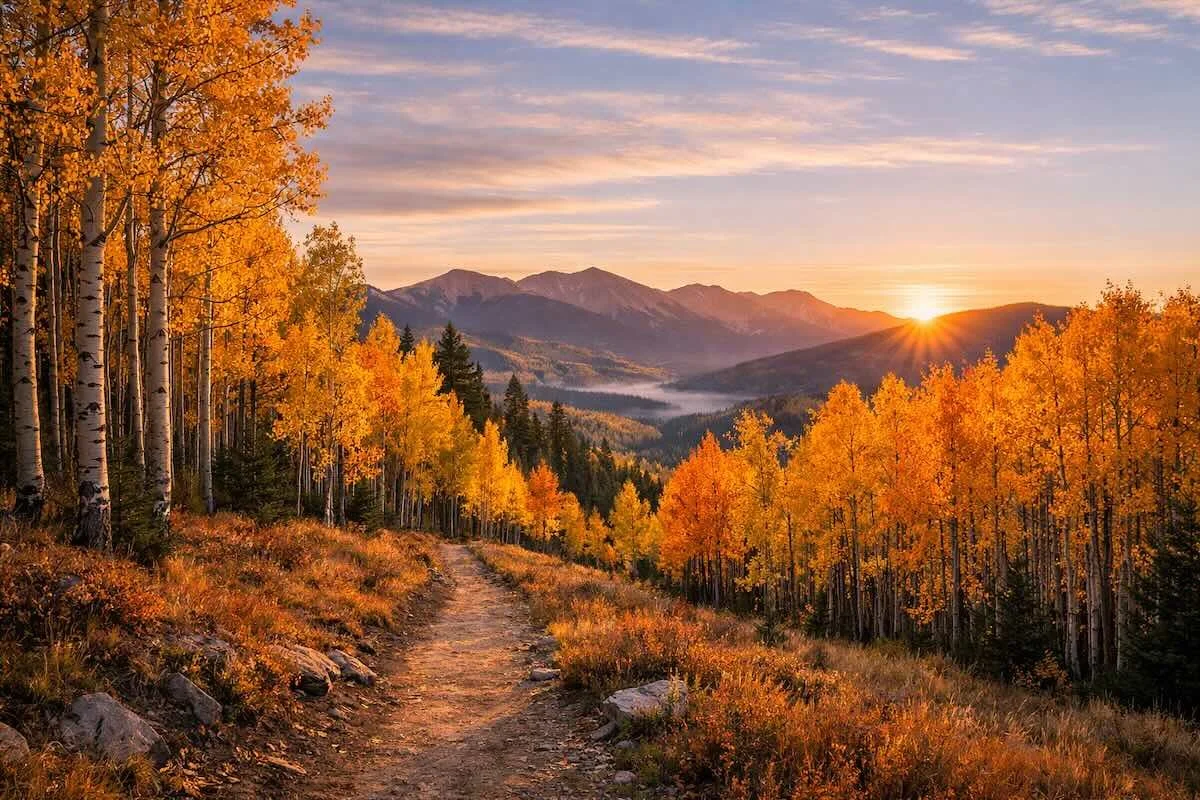
Late September to early October for peak fall color, also the busiest
July through early September for the most reliable hiking conditions
December through March for snowshoeing and cross country skiing, weather permitting
May through June for fewer people, with mixed trail conditions
Fall: the classic time to go
Fall is what most people picture at Kenosha Pass. Aspen leaves turn bright gold, the air is crisp, and the views feel dramatic even on short walks. The tradeoff is crowding. Parking can fill early, especially on weekends, and roadside pullouts can get hectic.
How to make a fall visit easier
Arrive early in the morning, especially on Saturdays and Sundays. If you can visit midweek, it usually feels calmer. Once you get a few minutes down the trail, the experience often gets quieter.
Dress for big temperature swings. Mornings can feel cold at this elevation, even when afternoons warm up.
Summer: best for hiking and longer days
Summer is the most flexible season at Kenosha Pass. You get longer daylight, easier trail access, and a predictable rhythm for planning. This is a great time to walk a portion of the Colorado Trail, or to treat the pass as a quick, scenic outing between mountain towns.
One reality of Colorado summers is afternoon storms. Plan to start earlier, and aim to be back near the trailhead if clouds build quickly.
Winter: quiet, scenic, and condition dependent
Winter at Kenosha Pass can feel peaceful and wide open. Snowshoeing and cross country skiing are popular when snow coverage is good. The key is that your day depends on weather and road conditions. High elevation roads can change fast, and wind can make it feel colder than expected.
What helps winter days go smoothly
Choose a clear forecast window. Bring warm layers, hand protection, and eye protection for wind and glare. Start early, because daylight fades quickly in winter.
Spring: fewer people, but messy transitions
Spring is the most unpredictable season here. At 10,000 feet, winter lingers. You might see firm snow in shaded areas, mud in sun exposed stretches, and a lot of wind. This can still be a good time to visit if you go in with flexible expectations.
If you want spring to feel enjoyable, plan a shorter outing and bring waterproof footwear. It is also smart to be comfortable turning around if the trail gets slick or soft.
Planning tips that improve any visit
Kenosha Pass is easy to reach, but it is still high country. A few details can make the day feel better from the start.
First, respect the altitude. If you are coming from lower elevation, take it slow at the beginning and drink water.
Second, plan for limited amenities. Do not assume you can refill water on site. Pack what you need.
Third, be cautious near the highway. During peak leaf season, vehicles and pedestrians mix in tight spaces. Use designated pullouts and avoid stopping where you block traffic.
FAQ
When is the best time to see fall colors at Kenosha Pass?
Most peak color visits happen in late September to early October. Weekdays are usually calmer than weekends.
Is Kenosha Pass worth visiting in winter?
Yes, if you enjoy snowshoeing or cross country skiing and you plan around weather and road conditions.
How difficult are the hikes at Kenosha Pass?
You can tailor the day to your comfort level. Short out and back walks are common, and longer hikes are available if you want more mileage.
Conclusion
The best time to visit Kenosha Pass depends on what you want most. Fall delivers the iconic aspen experience, summer is ideal for hiking, winter brings quiet snow days, and spring offers solitude with mixed conditions. Pick the season that matches your goals, plan for the elevation, and you will have a simple, rewarding Colorado outing.
