
Guanella Pass Scenic Byway: A Planning Guide Near Bailey, Colorado
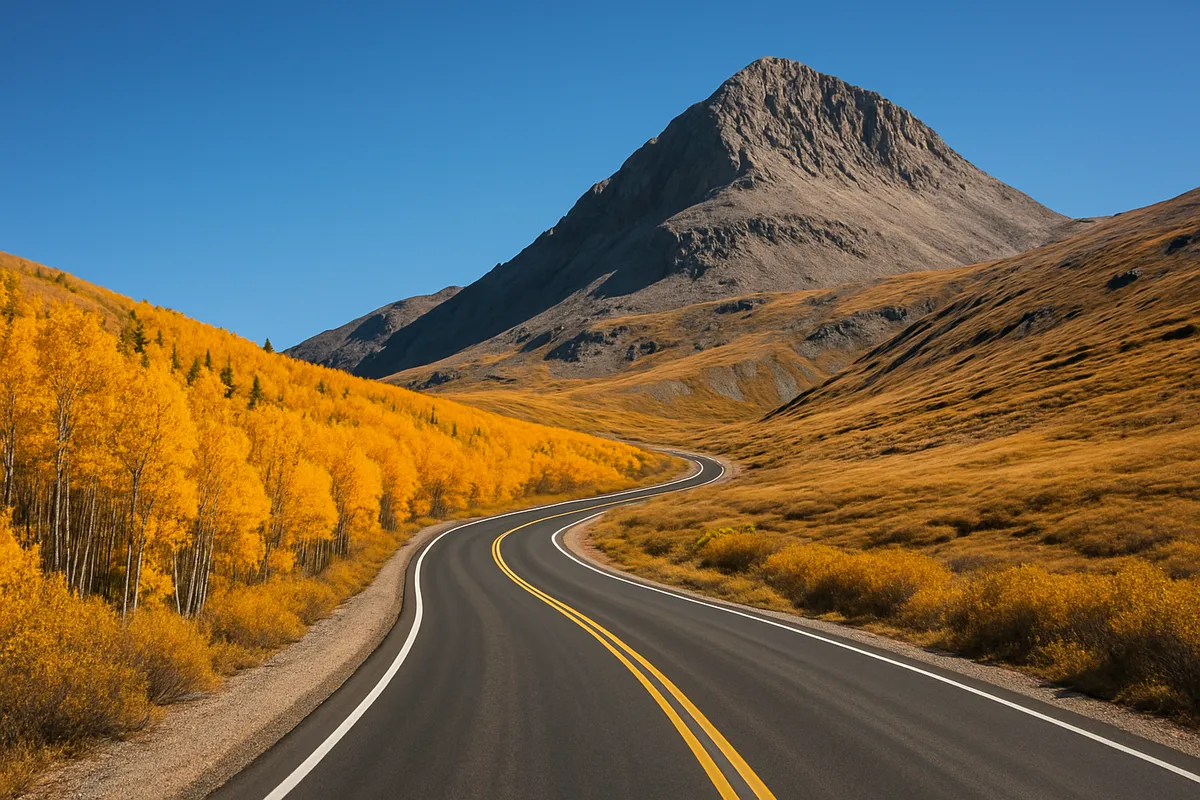
Guanella Pass is one of the best scenic drives in this part of the Colorado high country, connecting the towns of Georgetown and Grant along a route that climbs well above treeline before dropping back down the other side. For visitors staying in the Bailey area, it's a worthwhile day-trip option if you're comfortable with mountain driving and want alpine views without committing to a long backcountry hike. Here's what to know before you plan the drive.
What Is Guanella Pass?
Guanella Pass is a roughly 22-mile scenic byway that runs between Georgetown on the north end and Grant on the south end, topping out near 11,669 feet at the summit. The route passes through forested lower sections before opening into tundra and rock near the top, with the summit area serving as a popular access point for hikers heading up Mount Bierstadt, one of Colorado's more approachable 14,000-foot peaks.
The road is paved for most of its length, though sections have historically included gravel or rougher surfaces depending on recent maintenance and weather. It's a narrow, winding mountain road with pullouts rather than a high-speed highway, so plan for a slower, more deliberate pace than you'd expect on 285.
Route and Direction
Grant sits along Highway 285, which is the same corridor that runs through Bailey, so the southern end of Guanella Pass is reachable by heading toward Grant and picking up the pass road from there. The northern end connects to Georgetown near I-70. Because road conditions and seasonal closures vary year to year, it's worth checking current conditions before you commit to a specific day, especially outside of summer.
Best Times to Visit
Late June through September is generally the most reliable window for driving the full pass, once snow has cleared from the summit section and the road is open end-to-end. Wildflowers are often at their peak in July, and the high alpine meadows near the summit are a draw for photographers and casual hikers alike.
Fall Colors and Wildlife
September brings aspen color to the lower stretches of the pass, particularly on the Grant side, making it a strong complement to other fall drives in the region. If you're timing a trip around foliage, our fall foliage guide for the Bailey area covers general timing patterns that apply to higher-elevation routes like this one as well.
Mountain goats are a common sight near the summit parking area and along the ridgelines above treeline. They're habituated to visitors in this particular spot, but they're still wild animals — keep a respectful distance, don't feed them, and don't let dogs approach them off-leash.
Trailheads and Parking
The Guanella Pass summit lot serves as the trailhead for Mount Bierstadt and is one of the more heavily used 14er trailheads in the state. On weekends and during peak summer and early fall weekends, the lot fills early, often before sunrise. Overflow parking along the road shoulder exists but fills quickly too, and rangers do enforce no-parking zones in sensitive areas.
If you're not planning to summit Bierstadt but just want to stop, walk a short distance, and take photos, arriving earlier in the day or later in the afternoon tends to make parking easier. For a broader sense of nearby trail options at lower elevations with less competition for parking, see our local hiking trails guide.
Road Conditions and Seasonal Closures
Guanella Pass is a high-elevation route, and that means weather can change fast even in summer — afternoon thunderstorms are common from June through August, and the exposed summit section offers no real shelter. In winter, the road is frequently closed or restricted near the summit due to snow, ice, and avalanche risk, even when lower sections remain accessible from either town.
Because conditions can shift season to season and even day to day, it's worth checking current status before heading out, particularly in shoulder seasons (May, early June, and October). Don't assume the pass is open end-to-end just because the weather looks clear at your starting point — conditions at 11,000+ feet can look very different.
What to Pack for the Drive
Because the summit sits well above 11,000 feet, altitude effects can show up even if you're only stepping out of the car briefly. If you haven't spent much time at elevation recently, our guide to altitude near Bailey is a useful primer on symptoms to watch for and how to pace yourself.
A few practical items worth having in the car:
- Layers — temperatures at the summit are often 15-20 degrees cooler than valley towns, even in summer
- A windbreaker or light rain shell, since the exposed summit area gets wind year-round
- Water, since the altitude and dry air add up faster than expected
- A full tank of gas before you start, as services are limited once you're on the pass itself
If you're building out a broader packing list for your stay in the area, our seasonal cabin packing guide covers the basics for both summer and shoulder-season trips.
Planning the Rest of Your Day
Guanella Pass works well as a half-day or full-day outing depending on whether you plan to hike, and it pairs naturally with a stop in Georgetown for lunch or a walk around town before heading back. Because the drive itself involves sustained mountain curves and variable weather, it's worth building in extra time rather than rushing between stops.
Plan Your Stay at Stillwood
If you're using Bailey as your base for exploring routes like Guanella Pass, The Stillwood Retreat offers a quiet, private place to return to at the end of a long day in the mountains. The cabin sleeps up to 4 guests across two king bedrooms and a flexible queen loft, and leashed dogs are welcome for $40/day (capped at $250 per stay). There's no A/C, so plan accordingly in warmer months, and five exterior-facing cameras are in place for security and peace of mind. Whenever you're ready to plan a mountain getaway built around easy access to drives like this one, we'd love to host you.
