
Fire Restrictions Near Bailey, Colorado: What to Know Before You Light a Campfire
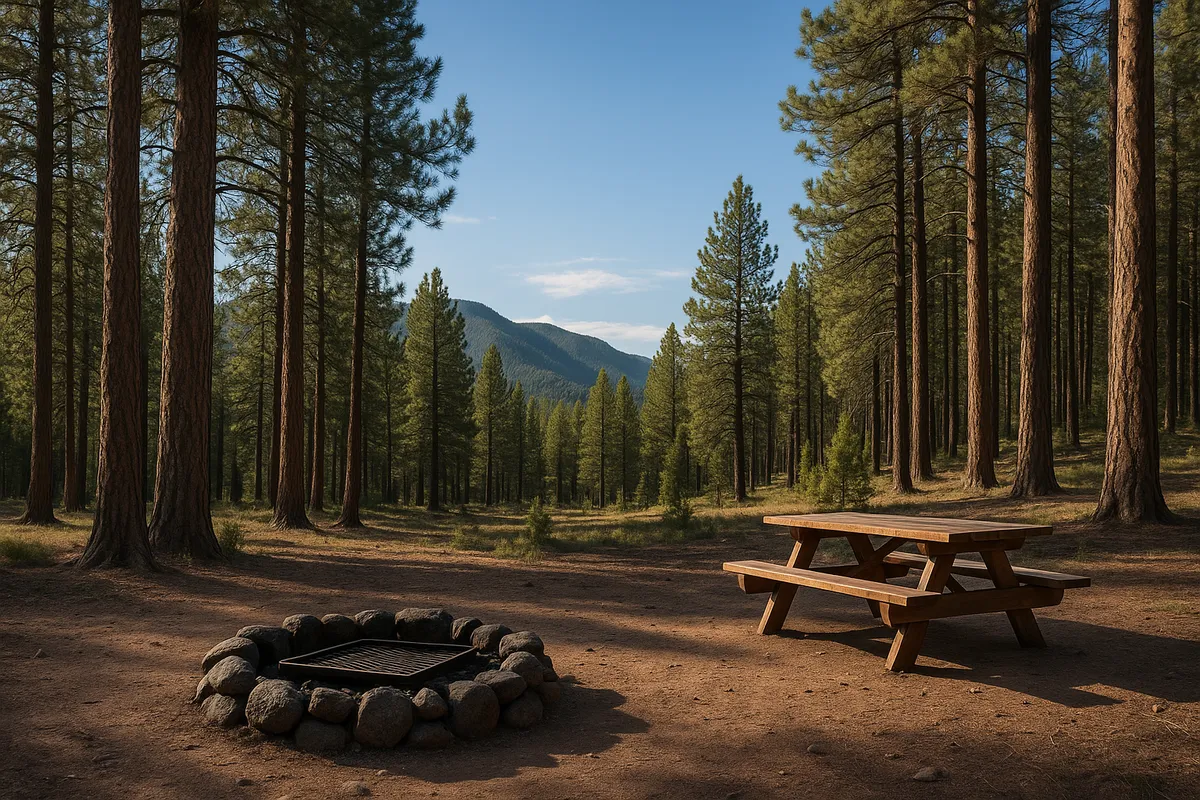
Quick takeaways: Fire restrictions in Park County can change quickly depending on drought conditions, wind, and time of year. Before you plan a campfire, tabletop grill session, or evening s'mores around a pit, check current Stage 1 or Stage 2 status, know what's allowed under each stage, and have a backup plan for evenings without an open flame. This guide walks through how restrictions work near Bailey and how to plan a trip that won't be derailed by a sudden ban.
Why Fire Restrictions Matter for Your Trip
Bailey sits in a heavily forested stretch of Park County, surrounded by dry pine and dense undergrowth that can turn a small spark into a serious wildfire risk. Because of this, Park County and the U.S. Forest Service regularly impose fire restrictions, especially from late spring through early fall. If you're planning a trip that includes a campfire, grilling, or fireworks, it's worth building in flexibility rather than assuming open flames will be allowed the whole time you're here.
Understanding Fire Restrictions in Park County
Fire restrictions are typically issued at the county level and can also apply separately to national forest land, so it's possible for rules to differ slightly depending on exactly where you are. Restrictions are usually categorized into stages, each with its own set of rules.
Stage 1 vs. Stage 2 Restrictions
Under Stage 1 restrictions, open campfires outside of designated fire rings in developed campgrounds are usually prohibited, but charcoal grills and propane devices with an off switch are often still allowed. Stage 2 restrictions are more severe, typically banning all open flames, including charcoal grills, and sometimes restricting smoking to enclosed vehicles or buildings. In the most extreme cases, counties can issue full fire bans that prohibit even propane campfires or fireworks of any kind.
Because these categories can shift mid-season, it's smart to check the current stage shortly before you arrive rather than relying on what was in effect during a previous visit.
When Restrictions Typically Happen
Fire restrictions are most common during hot, dry stretches, which in this part of Colorado often falls between June and September, though drought conditions can push restrictions earlier into spring or later into fall. If you're visiting during peak summer months, it's worth assuming there's a reasonable chance of at least a Stage 1 restriction being active at some point during your stay.
Windy days can also trigger short-term local bans even outside of official fire season, since wind dramatically increases the risk of embers spreading beyond a fire ring.
Campfire Safety Tips When Fires Are Allowed
When conditions do permit open fires, a few habits make a real difference in safety:
- Only build fires in established, designated fire rings or pits — never directly on bare ground or near overhanging branches.
- Keep a bucket of water or a shovel within reach at all times, not just nearby.
- Never leave a fire unattended, even for a few minutes.
- Drown, stir, and feel the ashes before leaving — a fire isn't fully out until it's cool to the touch.
- Avoid burning on windy days even if restrictions technically allow it.
If you're camping nearby rather than staying in a cabin, our local campgrounds guide includes notes on which sites have established fire rings and typical amenities, which is useful context when restrictions are active.
Fire-Free Ways to Enjoy Evenings Near Bailey
A fire ban doesn't have to mean a disappointing evening. Many visitors shift toward:
- String lights and lanterns instead of an open flame for ambiance
- Portable propane fire pits where allowed under Stage 1 (always confirm first)
- Stargazing, since clear mountain skies away from city light pollution remain reliably excellent regardless of fire status
- Evening hikes on cooler, shorter trails — see our hiking trails guide for options that work well in the early evening
It's also worth noting that wildlife activity can pick up around dusk, so if you're out walking later in the day, a little extra awareness is wise — our guide on bears near Bailey covers practical precautions worth knowing before an evening outing.
How to Check Current Fire Restrictions Before You Go
Because restrictions can change with little notice, don't rely solely on what you read in a trip-planning article, including this one. Before your visit:
- Check the Park County government website for current fire restriction stage
- Call or check listings for the Pike National Forest, since national forest land may have separate rules from county land
- Ask your lodging host directly — many property managers track local restrictions closely since they affect guest expectations
- Re-check within 24–48 hours of arrival, since conditions can shift quickly during hot, dry stretches
If fireworks are part of your trip plans for a holiday weekend, treat this as a hard requirement to verify rather than an assumption — fireworks are frequently banned even when campfires in rings are still technically permitted.
Building Flexibility Into Your Trip
The easiest way to avoid disappointment is to plan your trip so a campfire is a nice bonus rather than the centerpiece of your itinerary. Build in alternative evening activities, pack a couple of lanterns or string lights just in case, and consider a portable grill with an off switch, which tends to remain usable under more restriction stages than an open wood fire. If you're traveling with a group, communicating fire status ahead of time can also help manage expectations before everyone arrives.
Planning a Stay Near Bailey
Whatever the fire status during your visit, Bailey still offers long, quiet evenings under genuinely dark skies, easy access to trails, and a slower pace that doesn't depend on an open flame to feel memorable. The Stillwood Retreat sits about an hour from Denver and comfortably sleeps up to 4 guests across two king bedrooms and a flexible loft with a queen bunk-style setup — a simple, well-equipped home base whether fire restrictions are in effect or not. Dogs are welcome for $40 per day (capped at $250 per stay) as long as they're leashed, though cats aren't able to stay. Keep in mind there's no air conditioning, and five exterior-facing cameras are in place around the property for guest and neighbor safety. If you're planning a Bailey trip and want flexibility built in from the start, we'd be glad to help you plan around whatever the season brings.
